Get in touch: [email protected]
Community of Research Excellence to Transform Agri-Food Systems
On 25th November 2025, the Strathmore Academy for International Research Collaboration (SAIRC) convened the inaugural meeting of the Community of Research Excellence (CRE), marking a significant moment in the University’s commitment to strengthening Africa’s research landscape. The gathering signaled the beginning of a shared quest to rethink, reshape, and reimagine the continent’s future, anchored in the power of evidence, collaboration, and homegrown solutions. For this inaugural session, the spotlight turned to Africa’s agriculture and food systems, exploring how research, innovation, and locally grounded insights can drive their growth, transformation, and long-term development.
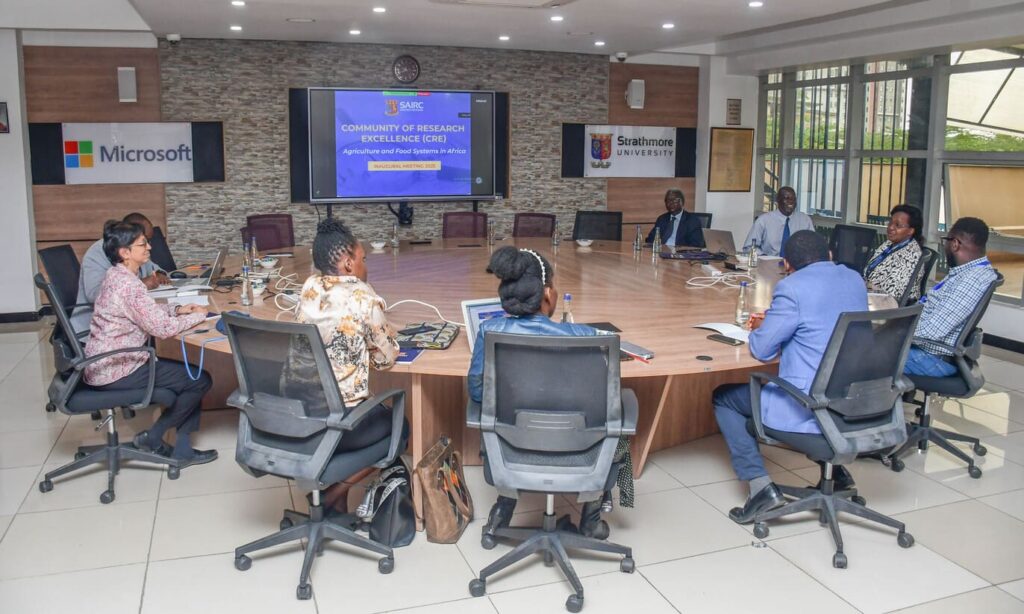
The room was alive with energy as brilliant researchers from diverse institutions came together, united by a common vision: to move beyond research that sits quietly on shelves and champion work that touches lives, influences policy, and transforms communities.
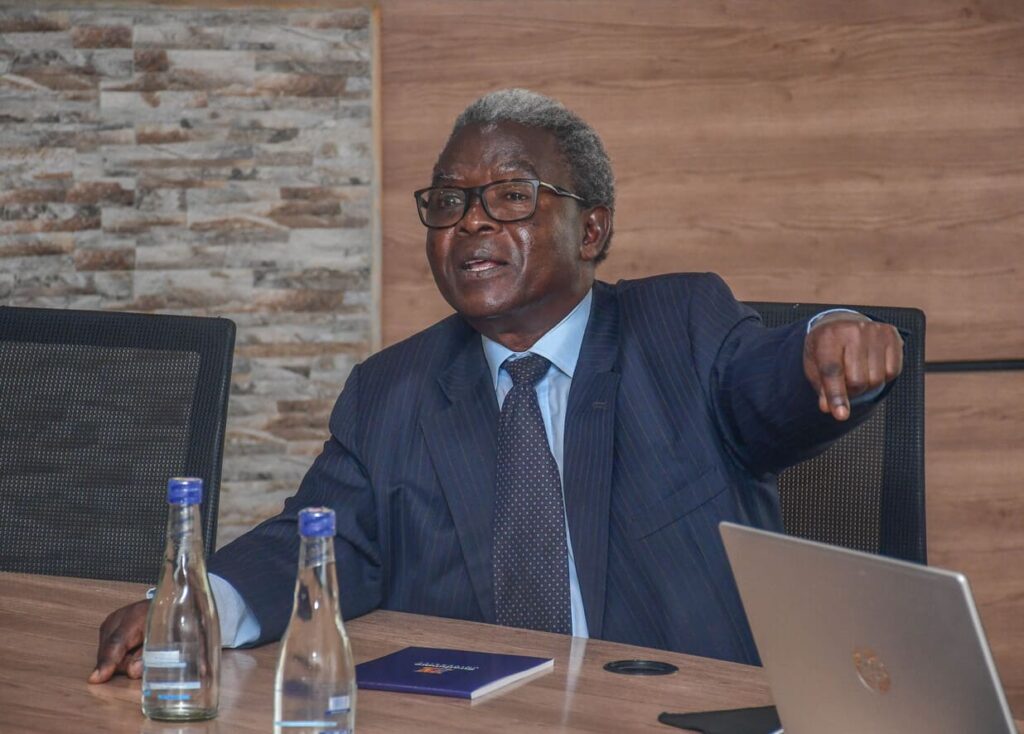
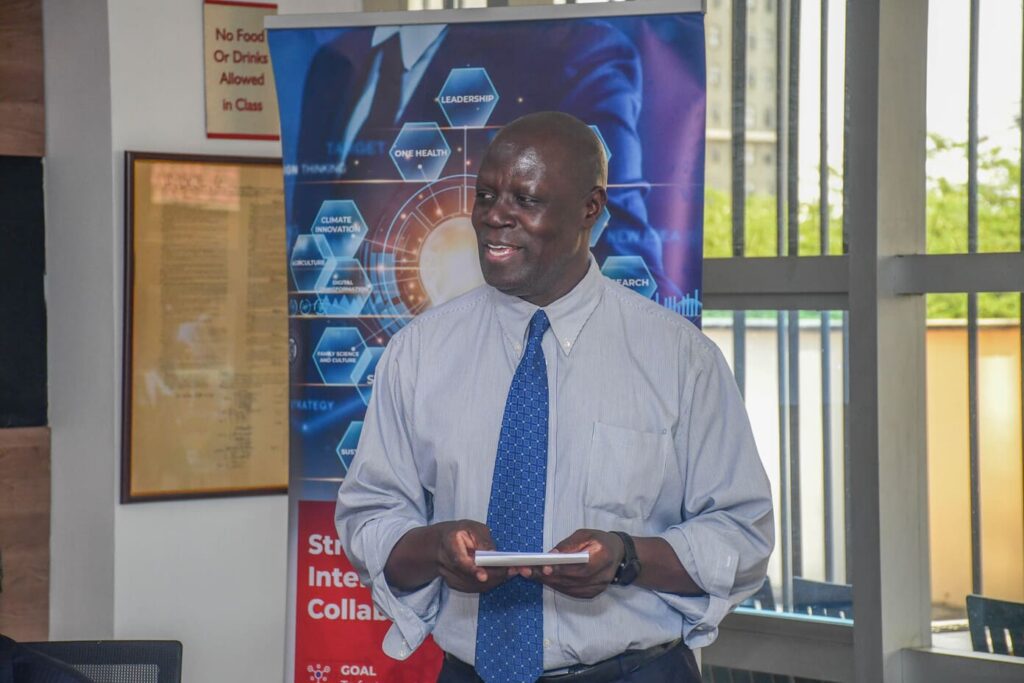
The session opened powerfully with remarks from Prof. John Odhiambo, President of the SAIRC Research Network, who offered a compelling introduction to the mission and essence of SAIRC. He emphasized that SAIRC was established to promote collaborative, transboundary, and multidisciplinary research, built on the belief that rigorous inquiry is the engine of societal transformation. “Our work informs pedagogy, education, research, and so much more,” he reflected. “Through SAIRC, we bring together researchers across borders to produce research that truly transforms.”
Expanding on this, Prof. Odhiambo highlighted the vision behind the Community of Research Excellence in Agriculture and Food Systems, a multidisciplinary network of researchers, implementers, and stakeholders committed to producing evidence and developing holistic solutions for Africa’s diverse agri-food systems. Supporting this vision, Prof. Ateya, SAIRC Board Member, underscored SAIRC’s long-term commitment. “At SAIRC, we are thinking about impact with a 40-year vision of transforming this country.”
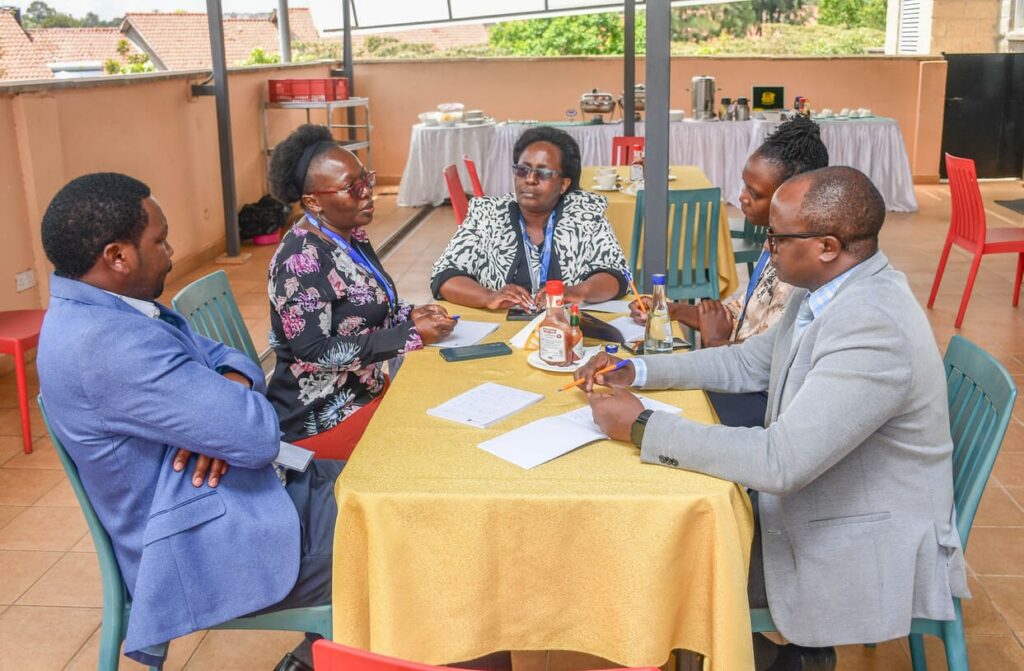
The session delved deeper as participants were divided into two groups, each tasked with tackling key questions and sharing their ideas. One group focused on the challenges researchers face in the field, particularly in agriculture and food systems. They identified several critical issues: they highlighted how impactful research is often difficult to achieve due to limited resources and support, and how inadequate funding remains a major barrier, with grants being highly competitive and sometimes overly prescriptive, overlooking local community contexts. The group also highlighted persistent barriers to accessing open-access data, which affects both researchers and community members. Adding to these challenges, short-term donor funding cycles frequently misalign with the long-term nature of field research, which requires time to collect meaningful data, observe evolving trends, and respond to policy or compliance shifts.
These conversations highlighted a common truth: the very challenges that slow research are the reason SAIRC’s mission is urgent and necessary. Prof. Odhiambo outlined SAIRC’s four foundational pillars, designed to steer research toward impact, accessibility, and African empowerment:
1) Community of Research Excellence (CREs): Spaces where scholars from across disciplines and borders come together as equals to address human problems. CREs champion high-quality research, bold ideas, and innovative, impactful outcomes.
2) Open-Access Digital Repository: Knowledge must be accessible. SAIRC’s repository ensures that research findings are available to the public, policymakers, and institutions, strengthening Africa’s knowledge ecosystem and enabling evidence-driven decisions.
3) Data Future Lab: A space dedicated to building Africa’s capacity to collect, analyse, and use data effectively. The Lab supports research, policy development, and innovation on the continent and beyond.
4) African Sovereignty Research Fund: Founded on the belief that the culture of begging undermines dignity, this fund is SAIRC’s commitment to financing African ideas, African research, and African solutions, ensuring that scholars can pursue work that reflects the continent’s priorities.
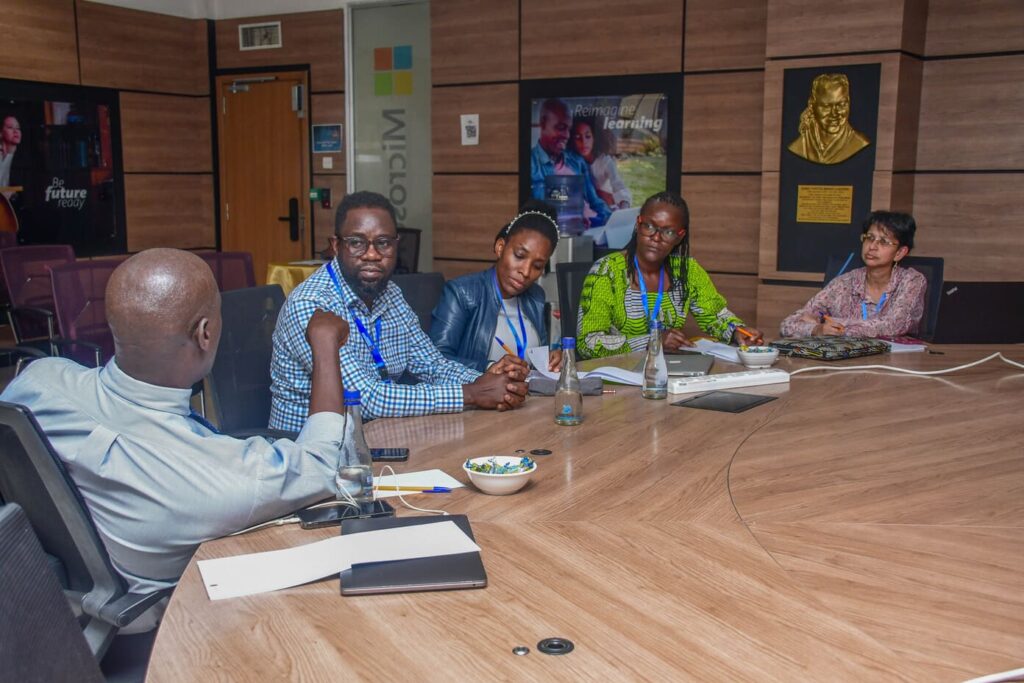
The second group explored emerging areas shaping the future of agriculture and food systems, presenting a range of innovative ideas and opportunities for research and policy influence. They highlighted the growing importance of school feeding programmes, noting that these initiatives extend beyond nutritional support to create employment, foster community engagement, and encourage collaboration across multiple sectors. The group also emphasized the need for gender-transformative approaches within food systems, models that acknowledge women’s vital role in production, processing, and market access, and intentionally empower them throughout the value chain.
Policy considerations featured prominently in their discussion, with calls for value-chain approaches to guide decision-making, strengthen governance structures, and enhance long-term sustainability. Participants further underscored the potential of genetic improvements in food crops, responsible agri-financing, and increased policy-oriented research that can meaningfully inform national and regional strategies.
They identified several emerging areas as priorities for future exploration, including school feeding programmes as avenues for nutrition and job creation; value addition to improve income and product quality; innovation ecosystems that support startups through acceleration, market access, and technology adoption; and circular economy models that reduce waste and promote sustainable production systems.
A Call to African Scholars
Prof. Odhiambo issued a rallying call to those in the room, and to African scholars more broadly. Africa, he noted, has the intellectual capital, the lived experience, and the contextual understanding needed to craft solutions that work for Africans. “As African researchers and scholars, the mandate is on us,” he emphasized. “We have the manpower, the expertise, and the insight to define what progress should look like. We can solve our challenges together, through collaborative research.” He celebrated the strides already made by African researchers whose contributions are shaping policy, driving innovation, and directly addressing the continent’s development priorities.
Looking Ahead
The CRE is set to grow, with additional communities of excellence planned across diverse thematic areas. This expansion offers opportunities for scholars to engage, share ideas, and contribute to research that will shape the #SUreFuture we envision. The message was clear: the solutions Africa needs will come from its own people, harnessing homegrown knowledge, collaboration, and innovation.